Baby Development: Your 9 Month, 3 Week Old
Nabta • January 2, 2019 • 5 min read
While it’s fun to look for milestones and celebrate your baby’s new expressions, actions, and movements, it’s also important to remember that your baby is an individual and will develop at his or her own pace. However, there are some fun moments in your baby’s emotional development to celebrate in the last few weeks of your baby’s ninth month — and some things to look forward to.
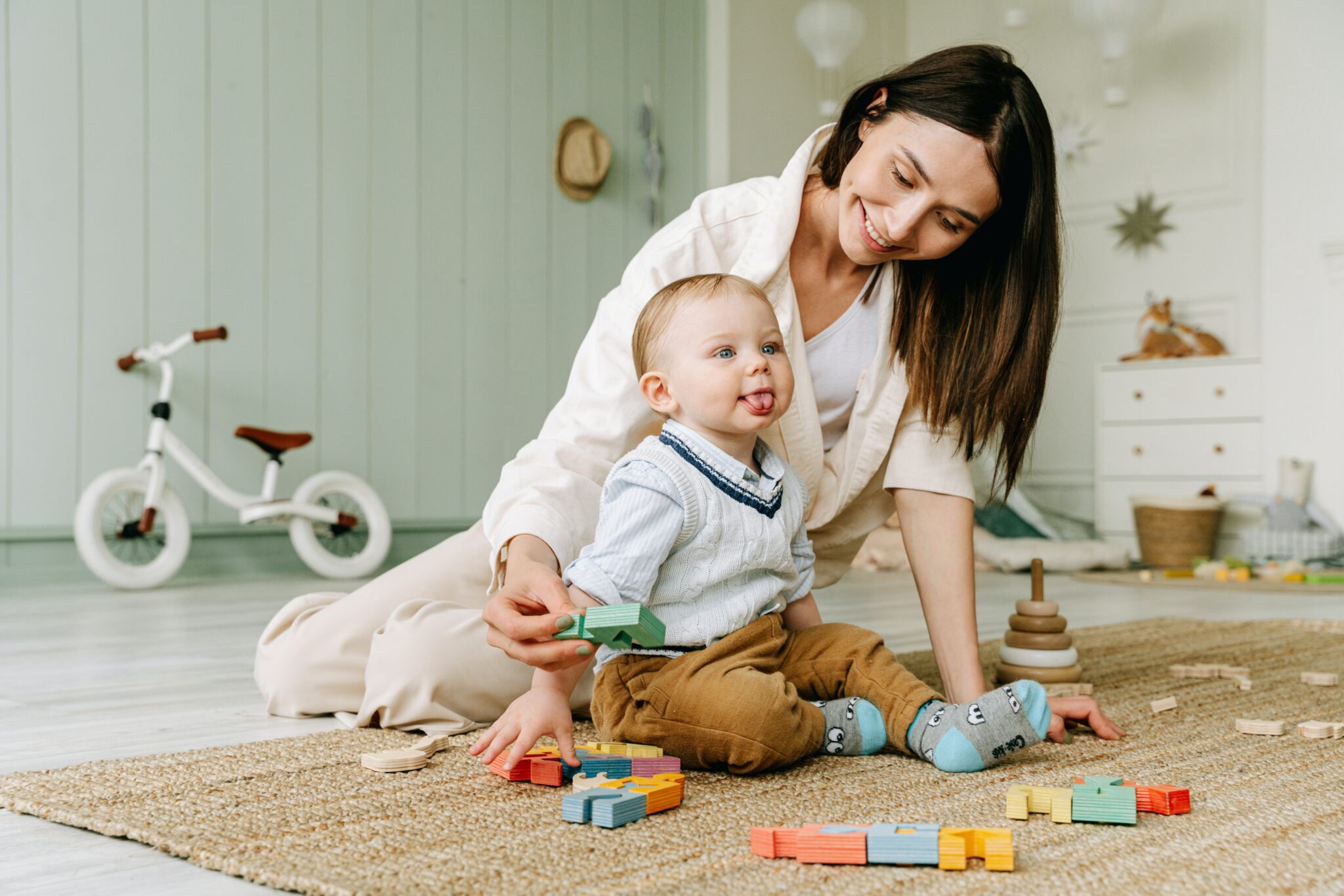
The giggles and cuddles
Your baby is likely enjoying play and delighting in all the funny things you do. From silly faces to noises, you’re earning your baby’s laughs, squeals, and smiles. Other emotional responses you may be seeing from your baby at this stage include:
Loving to cuddle with caretakers
Laughing when tickled
Making silly noises or faces to elicit laughs from you
Saying simple words like “mama” or “dada”
Recognizing and responding to simple requests
Babbling continuously in a way that mimics your speech
Some babies may even be playing and/or laughing with other babies. It’s also possible that you can now leave your baby alone for very brief periods in a safe spot such as a playpen or high chair without hearing immediate crying — at this point, your baby knows you’ll be returning soon. Your baby may also be becoming attached to a favorite toy or blanket.
Temper tantrums
It’s not all fun and games, however. Alongside the playful, laughing baby, you might be starting to see other, less desirable behaviors emerge. These can include throwing temper tantrums, anger, biting, and even hitting. It can be a shock as a parent when your sweet-tempered baby suddenly starts acting out (on purpose!), but don’t worry: it’s all a normal part of development.
Should you be worried?
If you are concerned something may not be “right” regarding your child’s emotional development, talk to his or her doctor. But it’s important to keep your concerns in perspective. It’s easy to worry about things like autism already, if your baby exhibits any of the signs. But it’s really much too early to know. Most experts won’t even administer the autism screening tools until a child is 18 months of age.
Some signs that you may wish to speak with your doctor regarding your child’s emotional development include:
No babbling by 12 months.
No smiles, squeals, or laughs.
No back-and-forth smiles, facial expressions or sounds by 10 months
If you notice changes in your baby’s speech or social interactions at this age, talk to your child’s pediatrician. He or she can help you establish what to expect based on your baby’s symptoms.
As your baby develops cognitively, music can offer a number of benefits. Learn more with Bundoo Child Psychologist, Eva Roditi.
Powered by Bundoo®
Download the Nabta App


Related Articles

Is it Safe for Toddlers and Children to eat raw Oysters?
Food-borne illnesses do not discriminate — anyone can become sick. Raw oysters have earned a reputation as a potentially dangerous food. Also, some groups of people have a [greater risk of serious illness](https://nabtahealth.com/articles/is-fish-oil-safe-for-children/) than others, including children. Eating raw oysters comes with the risk of being exposed to Vibrio vulnificus, a potentially life-threatening bacteria. Young children, those under 5 years of age, are more susceptible to food-borne illness because their immunity isn’t fully developed. Here are some facts you should know before you give your young child raw oysters: ##### What will happen if my child eats a contaminated oyster? In reality, allowing your [child to eat](https://nabtahealth.com/articles/is-it-safe-for-toddlers-and-children-to-eat-raw-oysters/) raw oysters might have zero consequences, no matter how many he or she eats. Unlike other bacteria, V. vulnificus cannot be smelled, seen, or tasted. There is no way to determine if the raw oyster is safe to eat. V. vulnificus cannot be killed by a lot of hot sauce, nor are you guaranteed safety by letting your child just try one or two oysters. If your [child eats a raw oyster](https://nabtahealth.com/articles/is-it-safe-for-toddlers-and-children-to-eat-raw-oysters/) that is contaminated with V. vulnificus, it is important to be familiar with the signs and symptoms of food poisoning. In generally healthy people, V. vulnificus can cause vomiting, diarrhea, and abdominal pain. In some cases, it can become worse and infect the blood (invasive septicemia) resulting in fever, chills, and septic shock. V. vulnificus is a serious cause for concern because about half of people who contract the blood infection die. If you are suspicious of food poisoning and/or your child has symptoms, get in touch with your healthcare provider, or even head to the ER. ##### What should I do? To be safe, you may want to hold off on feeding your child raw oysters for a few years, or at least until he or she is five years of age. If oysters are a staple in your household, or a special treat here and there, make sure to thoroughly cook a few for your little one to try. Cooking (prolonged exposure to high heat) is the only way to kill the bacteria and make sure you and your family will be safe. Get yourself a [coach](https://nabtahealth.com/product/conscious-motherhood-coaching-session/) and learn more. **Sources:** * Food & Drug Administration * Raw Oyster Myths. Powered by Bundoo®

Does Spanking do More Harm Than Good?
#### To spank or not to spank? There are no denying children can test parents’ patience, and finding ways to effectively discipline them can be a challenge. Studies have shown that up to 90 percent of parents have spanked their children at least once. But before you settle on spanking as a disciplinary tactic, you should know that research shows that spanking is detrimental to a child. “It’s a very controversial area even though the research is extremely telling and very clear and consistent about the negative effects on children,” says Sandra Graham-Bermann, PhD, a psychology professor and principal investigator for the Child Violence and Trauma Laboratory at the University of Michigan. “People get frustrated and hit their kids. Maybe they don’t see there are other options.” The American Academy of Pediatrics (AAP), the American Psychological Association (APA) and the National Education Association (NEA) all strongly oppose spanking, which is a form of corporal punishment. #### The negative impact of spanking It increases the chance of mood disorders. Researchers found 2-7 percent of mental disorders were attributable to physical punishment. Spanking also increases the chances of a child developing anxiety disorders, alcohol and drug abuse problems, and several [personality disorders in the future](https://nabtahealth.com/product/conscious-parenting-coaching-course/). It promotes aggressive behavior. Research shows that frequent spanking at age 3 increased the odds of higher levels of aggression at age 5. It can lower IQ. A study found that children who were spanked had lower IQs four years later than those who were not spanked. In addition to being detrimental to the child’s overall well-being, research shows that spanking does little to reduce a [child’s behavioral problems](https://nabtahealth.com/articles/7-parenting-donts-during-a-divorce/). #### Alternate forms of discipline Time out: Experts recommend the one-minute-per-year rule, meaning if your child is 3 years old he will be put in time out for three minutes. Positive Reinforcement: Instead of just focusing on when they misbehave, remember to put a spotlight on when they do the right thing. [Parents](https://nabtahealth.com/articles/7-parenting-donts-during-a-divorce/) want their children to seek out positive attention instead of negative. Distraction: When misbehaving, infants and toddlers can usually be redirected or distracted with a favorable activity. Reasonable consequences: Taking away privileges or items (a favorite toy, video games, etc.) is an appropriate form of punishment for older kids. **Sources:** * American Academy of Pediatrics * Physical Punishment and Mental Disorders: Results From a Nationally Represenative US Sample. American Academy of Pediatrics * Mothers’ Spanking of 3-year-old Children and Subsequent Risk Of Children’s Aggressive Behavior. University of New Hampshire * Children Who Are Spanked Have Lower IQs, New Research Finds. University of New Hamphsire * Spanking by Parents and Subsequent Antisocial Behavior of Children. University of Michigan * Spanking sparks aggression, does little to reduce behavior problems. American Psychological Association * The Case Against Spanking. Powered by Bundoo®

Getting started with Nabta Health; Your 101 Guide to Maternal Health
 #### What is maternal health and why is it so important? Pregnancy and childbirth are exciting, scary, life-changing events. They can be joyful experiences, and they can be fraught with anxiety, and physical and emotional challenges. Maternal health is about the wellbeing of women and their babies during pregnancy, childbirth, and the postnatal period. Women should feel comfortable and confident in the medical care and attention they receive each stage of their pregnancy journey. Lack of awareness about the potential complications associated with pregnancy and childbirth can [lead](https://nabtahealth.com/glossary/lead/) to devastating outcomes. Most maternal complications are preventable with prompt support by trained maternal health professionals. The goal for maternal health is always positive outcomes for both mother and baby. #### What are maternal health services? A pregnant woman will usually meet some or all the following skilled healthcare practitioners during and after her pregnancy: * Doctor or General Practitioner (GP): Provides basic pregnancy care. Doctors with added expertise may share pregnancy care with a hospital. * [Obstetrician](https://nabtahealth.com/glossary/obstetrician/): A doctor qualified in specialist antenatal and postnatal care for women and their babies. Obstetricians deliver babies and manage high-risk pregnancies and births. * Midwife: Medically trained to care for women during pregnancy, labour and after childbirth. Often a pregnant woman will be cared for by a team of midwives. * Doula: Some women choose a Doula as a companion for support during pregnancy and labour. A Doula is not a medically trained professional. * [Lactation](https://nabtahealth.com/glossary/lactation/) consultant: Helps mother and baby establish breastfeeding and overcome difficulties with latching, low milk supply, and sore nipples. * Maternal and child health nurses: Monitor the child’s development and growth from newborn until around 3.5 years old. #### Antenatal checks, tests, and screenings Routine antenatal checks and tests are an important part of a woman’s pregnancy care. As the pregnancy progresses, blood tests, urine samples and ultrasound scans are accompanied by scheduled check-ups to assess the mother’s health and wellbeing, and the baby’s development. Screening and scans during pregnancy typically include a full blood count, infectious disease screen, urine culture, dating scan, screens for genetic abnormalities, [gestational diabetes](https://nabtahealth.com/glossary/gestational-diabetes/) screening, and Group B strep screen. It’s a personal choice to have all the antenatal tests. A mother’s healthcare team will recommend that she has all tests and scans as scheduled for a complete picture of her health and her baby’s development. The tests are also designed to pick up any medical problems and identify possible genetic conditions affecting the baby. This will enable the mother and her doctors to make informed decisions about further testing or actions. #### What are maternal health concerns during pregnancy? Major maternal health problems can [lead](https://nabtahealth.com/glossary/lead/) to serious illness or death for both mother and baby. Complications can include excessive blood loss during labour, infections, [anaemia](https://nabtahealth.com/glossary/anaemia/), high blood pressure ([hypertension](https://nabtahealth.com/glossary/hypertension/)), obstructed labour, and heart disease. Maternal mental health is also an important consideration. Pregnancy and childbirth are different for every woman. Access to the right healthcare before, during and after pregnancy will reduce the risk of complications. #### – Before pregnancy Medical history and pre-existing conditions: The healthcare team should be made aware of any medical conditions, medications, or family history that may affect the mother’s health, or the unborn baby’s health during pregnancy. #### – During pregnancy The mother should attend all recommended check-ups and screenings. The maternal health team will monitor and treat pregnancy-related health issues including [anaemia](https://nabtahealth.com/glossary/anaemia/), urinary tract infections, [hypertension](https://nabtahealth.com/glossary/hypertension/), [gestational diabetes](https://nabtahealth.com/glossary/gestational-diabetes/), mental health conditions, excess weight gain, infections, [hyperemesis gravidarum](https://nabtahealth.com/glossary/hyperemesis-gravidarum/) (severe and persistent vomiting). #### – After pregnancy The postpartum period usually refers to the first six weeks after childbirth. While there’s (understandably) lots of focus on the new arrival, postpartum health is just as important: * Physical recovery: Allow time for physical recovery from a vaginal birth or C-section. Mothers should prepare for perineal pain, vaginal bleeding (lochia) and uterine [contractions](https://nabtahealth.com/glossary/contraction/). * Postpartum or postnatal depression: Take care of emotional health. It’s normal to experience the ‘baby blues’ when hormones dip a few days after giving birth. Prolonged low moods and feelings of helplessness should be raised with the healthcare team. * Rest is best: Try to sleep or rest when the baby sleeps. Rest will help with recovery. * Eat regularly: Eat regular, healthy meals. What a mother eats, her baby eats. * Hydrate: Drink water, lots of it. Hydration will aid milk supply. * Feeding routines: Get support establishing feeding routines, whether breast-feeding or bottle-feeding. * Physical exertion: Avoid heavy lifting for the first 4 to 6 weeks after delivery and especially after a C-section. Exercise should be gentle walks with the baby. Try not to do any physically demanding activities (no running up and down the stairs and definitely no gym sessions!). * Vitamins: Continue taking antenatal vitamins #### What are postpartum complications? Postpartum complications to be aware of include mastitis, postnatal depression, excessive bleeding (hemorrhage) after giving birth, infection or sepsis, [hypertension](https://nabtahealth.com/glossary/hypertension/), pulmonary [embolism](https://nabtahealth.com/glossary/embolism/), cardiomyopathy, and cardiovascular disease. Postpartum mothers should be counselled to recognise the signs and symptoms of a problem. Contact a doctor at once at any sign of high fever, flu-like symptoms, a red and swollen breast, a headache that doesn’t improve with medication, chest pain, shortness of breath, seizures, bleeding through one maternity pad in an hour, and a red or swollen leg painful to touch. #### What happens at a postpartum check-up? Postpartum maternal checks are about the mother’s health. At your postpartum check-ups your doctor will check your abdomen, [vagina](https://nabtahealth.com/glossary/vagina/), [cervix](https://nabtahealth.com/glossary/cervix/), and [uterus](https://nabtahealth.com/glossary/uterus/) to make sure you are healing well. They will talk to you about when it is safe to have sex again and birth control (remember that even if you don’t have your periods while you breastfeed you can still become pregnant). And your doctor will also talk to you about your emotional health, whether you are getting enough rest, eating well and how you are bonding with your baby. Use these check-ups to raise any concerns you might have with your recovery and emotional wellbeing. #### Getting started with Nabta Health Nabta’s marketplace and resources are designed to support mothers at every stage of their maternal health journey. From at-home tests to prenatal courses; on-demand Doulas to hypnobirthing courses; maternity pads to nursing bras; prenatal yoga to postpartum care packages… Nabta’s team of healthcare and wellness experts has carefully selected products to meet a woman’s maternal health needs.