Why are my Periods Irregular?
Dr. Kate Dudek • January 8, 2020 • 5 min read
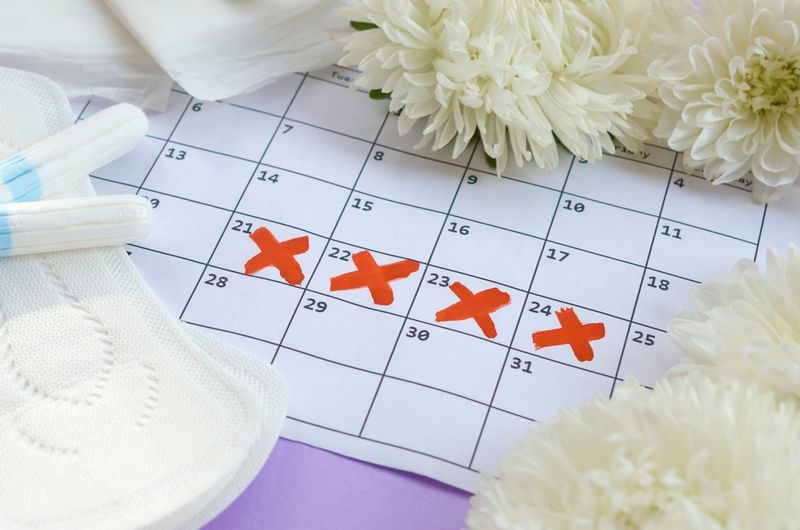
Irregular periods are a form of abnormal uterine bleeding. A menstrual cycle is defined as the time from the start of one period to the start of the next. The average cycle is 28 days long; however, in reality this differs from woman to woman, and anything between 21 and 35 days is considered normal.
Irregular periods occur when one or more of the following is true:
- The menstrual cycle is shorter than 21 days or longer than 35 days.
- Bleeding lasts for 8 or more days.
- The length of the menstrual cycle changes month by month and there is a difference of at least 20 days between the shortest cycle and the longest cycle.
If you suspect that your periods are irregular the first thing is to accurately calculate how long your cycle is and whether the time in days between each period is changing. Although some women will have cycles of exactly 28 days every month, it is not unusual for a cycle to differ by a few days each month. Your doctor will need to know the specifics of any irregularities. Count from the last day of your period to the first day of your next period for at least three months to see whether the value differs significantly between cycles.
As well as the inconvenience of not knowing exactly when you will start menstruating each month, irregular periods can make it difficult to get pregnant. In fact, as irregular periods make it hard to determine precisely when (and if) ovulation has occurred, women who experience them might also be at greater risk of falling pregnant unexpectedly.
Attempting to rectify any irregularities can only be completed once the cause has been established and, unfortunately, this is not always straightforward.
Causes of irregular periods
- Age. It is not unusual for a female’s periods to be irregular for the first year or two following puberty. Similarly, periods can become more erratic as a female approaches the menopause.
- Medical conditions. Polycystic Ovary Syndrome and some thyroid conditions can result in irregular periods.
- Extreme exercising or dieting. Endurance athletes are prone to irregular menstrual cycles. Similarly, those who are severely underweight are likely to notice a change in their periods; a side effect of excessive weight loss can be complete cessation of menstruation.
- Stress. Physical or emotional stress can interrupt the menstrual cycle.
- Birth control. Some forms of hormonal contraceptive, such as the oral contraceptive pill and the mini pill, can result in irregular bleeding.
Having irregular periods is not necessarily a sign that there is something wrong and, in many cases, over time the cycle will regulate itself. However, if you are under 45 years old and your periods suddenly become erratic, it is probably worth consulting your doctor.
Nabta is reshaping women’s healthcare. We support women with their personal health journeys, from everyday wellbeing to the uniquely female experiences of fertility, pregnancy, and menopause.
Get in touch if you have any questions about this article or any aspect of women’s health. We’re here for you.
Sources:
- “Abnormal Menstruation (Periods).” Cleveland Clinic, https://my.clevelandclinic.org/health/diseases/14633-abnormal-menstruation-periods.
- Farrukh, J B, et al. “Abnormal Uterine Bleeding: Taking the Stress out of Controlling the Flow.” Canadian Family Physician, vol. 61, no. 8, Aug. 2015, pp. 693–697
- “Irregular Periods.” NHS Choices, NHS, https://www.nhs.uk/conditions/irregular-periods/.
Download the Nabta App


Related Articles

A Beginner’s Guide to Menstrual Cups: A Sustainable and Practical Alternative
Menstrual cups have gained popularity in recent years as a sustainable and cost-effective alternative to traditional menstrual products. Made of medical-grade silicone or latex, these reusable cups collect menstrual fluid rather than absorbing it, offering numerous benefits for those who choose to use them. If you’re new to menstrual cups and considering making the switch, this beginner’s guide will provide you with essential information to help you get started. #### What is a menstrual cup? A menstrual cup is a bell-shaped device designed to collect menstrual fluid. It is inserted into the [vagina](https://nabtahealth.com/glossary/vagina/), where it forms a seal and collects the flow, holding much more liquid than a tampon or pad. The cup is reusable, offering a more sustainable option compared to disposable products. #### Advantages of menstrual cups: **Eco-friendly:** Menstrual cups reduce waste as they can last for several years with proper care. By using a cup, you can significantly decrease the number of disposable pads and tampons that end up in landfills. **Cost-effective:** Although menstrual cups have a higher upfront cost than disposable products, they are a long-term investment. Over time, using a menstrual cup can save you money since you won’t need to regularly purchase [pads or tampons](https://nabtahealth.com/articles/what-type-of-sanitary-product-is-right-for-me/). **Extended wear time:** Unlike pads and tampons, which typically require changing every few hours, menstrual cups can be worn for up to 12 hours, depending on your flow. This makes them convenient for overnight use and allows for uninterrupted activities during the day. **Lower risk of leaks and odor:** When inserted correctly, menstrual cups create a secure seal that reduces the risk of leaks. Additionally, since the fluid is collected rather than absorbed, menstrual cups do not cause the same odor issues that can arise with other products. **Health benefits:** Menstrual cups are made of hypoallergenic materials, making them suitable for people with sensitive skin or allergies. They also do not disrupt the natural pH balance of the [vagina](https://nabtahealth.com/glossary/vagina/), reducing the risk of infections. #### How to use a menstrual cup: **Choosing the right cup:** Menstrual cups come in different sizes and shapes. Consider factors such as your age, flow, [cervix](https://nabtahealth.com/glossary/cervix/) position, and whether you’ve given birth when selecting the appropriate cup. It may take some trial and error to find the perfect fit. **Sterilize the cup:** Before using a menstrual cup for the first time, sterilize it by boiling it in water for a few minutes. Ensure the cup is clean and dry before insertion. **Insertion:** Wash your hands thoroughly. Fold the cup using one of the various folding techniques available. Insert the cup into your [vagina](https://nabtahealth.com/glossary/vagina/), aiming towards the base of the spine. The cup will unfold and create a seal against the vaginal walls. **Removal:** To remove the cup, wash your hands and find a comfortable position. Gently pinch the base of the cup to break the seal, then carefully pull it out. Empty the contents into the toilet, rinse the cup with water, and reinsert if desired. #### Caring for your menstrual cup: **Empty and clean the cup:** Depending on your flow, you may need to empty the cup every 4 to 12 hours. Rinse it with water or wipe it with unscented, mild soap. Sterilize the cup between cycles by boiling it for a few minutes. **Store properly:** Keep your menstrual cup in a breathable bag or container when not in use. Avoid storing it in an airtight or plastic container to prevent odor and bacterial growth. Menstrual cups offer a sustainable, [cost-effective](https://www.lizzom.com/collections/lizzom-products), and convenient alternative to traditional menstrual products. While there may be a learning curve when initially using them, many people find them comfortable and reliable once they get accustomed to the process. By following the tips and techniques outlined in this beginner’s guide, you’ll be well on your way to a more sustainable and hassle-free period experience.

What are Sanitary Pads?
Sanitary pads are recognised worldwide. They are a [menstrual hygiene product](https://nabtahealth.com/what-type-of-sanitary-product-is-right-for-me/), designed for use by women during their monthly periods and also known as sanitary napkins or sanitary towels. #### **From simple beginnings…..** Sanitary pad designs in the 1960s incorporated flexible, thin, leak-proof polyethylene as the back sheet. Over time, sticky, elastic plastics were used, allowing the sanitary pads to be attached to a woman’s underwear directly, rather than hanging off a belt-type device. Later in the 1970s, designers grasped the idea of making plastic “wings” to be used to wrap around panties and place the pad exactly where it is required. #### **……to widespread use in the 21st century** Which brings us, more or less, to the present day, where sanitary pads are still very widely used globally by women during their monthly periods. They can also be used after childbirth when it is normal to have vaginal bleeding for a week or two. In fact, any flow of blood from the [vagina](https://nabtahealth.com/glossary/vagina/) can be easily absorbed and contained within a sanitary pad. Many young women choose to use sanitary pads when they initially start their periods, as it can take time to develop the confidence to use a [tampon](https://nabtahealth.com/what-are-tampons/). Today’s sanitary pads are produced from various materials, based on the brand, country of origin, and even style of pad. #### **How to use sanitary pads** Sanitary pads are worn externally, unlike menstrual cups and tampons that are worn internally. Sanitary pads should be changed regularly, depending on the period flow, i.e. how light or heavy the bleeding is. Provided the right absorbency of the pad is selected, leakage should not occur, meaning menstrual blood does not reach clothing and furnishing Sanitary pads are wrapped individually for easier usage and can be easily carried in your purse. #### **A pad for every flow type** Some of the most common types of pad are: • Regular: it is a middle-range sponginess pad. • Maxi/Super: A spongy bumper pad routinely used by women with heavy periods. • Overnight pads: Longer than regular pads, allowing more protection while lying down.Suitable for use during the night. • Maternity pads; Longer and thicker than maxi/super pads. Designed for women to use after childbirth, can also absorb urine. • Ultra-thin: A thin pad that may be as spongy as a Maxi/Super or Regular pad, but with a reduced amount of bulkiness. It is important to remember that, regardless of type, sanitary pads cannot be flushed down the toilet as they might cause a blockage. #### **The environmental impact of disposable sanitary pads** Establishing exactly how much plastic waste comes from sanitary pads is tough, as it is labeled as medical refuse. The plastic used in sanitary pads is not eco-friendly and can [lead](https://nabtahealth.com/glossary/lead/) to environmental and health hazards as one pad takes hundreds of years to decompose. An increased environmental awareness is one reason why, recently, women have been looking for alternative, more eco-friendly sanitary products. [Reusable pads](https://nabtahealth.com/the-use-of-reusable-sanitary-pads-in-sub-saharan-africa/) and washable [menstrual cups](https://nabtahealth.com/what-are-menstrual-cups-and-why-are-they-growing-in-popularity/) are both becoming more widely used. Both have actually been in existence for a long time, but improved designs make them a viable alternative for the modern woman. Nabta is reshaping women’s healthcare. We support women with their personal health journeys, from everyday wellbeing to the uniquely female experiences of fertility, pregnancy, and [menopause](https://nabtahealth.com/glossary/menopause/). Get in [touch](/cdn-cgi/l/email-protection#1960787575785977787b6d78717c78756d71377a7674) if you have any questions about this article or any aspect of women’s health. We’re here for you. **Sources:** * “How Tampons and Pads Became so Unsustainable.” _National Geographic_, 18 Oct. 2019, [www.nationalgeographic.com/environment/2019/09/how-tampons-pads-became-unsustainable-story-of-plastic/](http://www.nationalgeographic.com/environment/2019/09/how-tampons-pads-became-unsustainable-story-of-plastic/). * “What Is a Sanitary Pad?” _Menstrupedia_, [www.menstrupedia.com/articles/girls/sanitary-pad](http://www.menstrupedia.com/articles/girls/sanitary-pad).

What Type of Sanitary Products is Right for me?
From the time that a female starts her periods when she enters [](https://nabtahealth.com/what-is-puberty/)[puberty](https://nabtahealth.com/glossary/puberty/) until she reaches [](https://nabtahealth.com/about-the-three-stages-of-menopause/)[menopause](https://nabtahealth.com/glossary/menopause/) and stops having periods, menstrual hygiene will become something that she has to carefully consider. Most women menstruate for about 40 years and regular periods are a good indicator that a female is reproductively healthy. Although, unfortunately there are exceptions to this, for example women with [](https://nabtahealth.com/what-is-endometriosis/)[endometriosis](https://nabtahealth.com/glossary/endometriosis/) often have periods that appear normal. As menstruation is such a fundamental part of being a woman of reproductive age, taking the time to explore and sample the available sanitary products can help make periods more manageable. Deciding on which sanitary products to use can be influenced by a range of factors, including: * Cost * Environmental impact * How often the product will need changing throughout the day * Local availability * Heaviness of flow * Personal preference and/or recommendations by friends and family. The range of sanitary products available today means that the majority of women are able to manage their periods safely, comfortably and with dignity; in contrast to days gone by when old rags and sheep wool were commonly used to soak up menstrual blood. **Sanitary pads** ------------------- A common choice for girls who have only just started their periods. [Sanitary pads](https://nabtahealth.com/what-are-sanitary-pads/) are also known as sanitary napkins and sanitary towels. They are narrow pieces of absorbent material that fit directly into the underwear. Easy to use and change, they are available in different absorbencies to suit differing flow rates and times of the day. Some have wings attached to help secure them in place and reduce the risk of stains or leaks. Disposable sanitary pads were first used in the early 1920s, they gave women the opportunity to manage their periods discreetly, as there was no longer the need to wash and dry the bulky homemade versions publicly. Now, with advancements in manufacturing and material availability and a general public who are becoming increasingly environmentally driven, there is renewed demand for reusable sanitary pads, to avoid the high plastic wastage that comes from most disposable variants. [Reusable sanitary pads](https://nabtahealth.com/the-use-of-reusable-sanitary-pads-in-sub-saharan-africa/) are made from new or old materials such as sheets, pillow cases, and towels. They are made from pure cotton, as it is the best material for absorbing and also the most comfortable to wear. **Tampons** ----------- Often preferred over sanitary pads by dancers, athletes and swimmers, [tampons](https://nabtahealth.com/what-are-tampons/) are worn internally. A simple concept, they are devised of a wad of cotton attached to a string. Some come with a plastic applicator for ease of insertion. Once inserted into the [vagina](https://nabtahealth.com/glossary/vagina/), they expand slightly to absorb menstrual blood. They will typically need changing every 4 to 6 hours and, as such, are not ideal for wearing overnight. In the 1980s, an association between tampon use and Toxic Shock Syndrome (TSS) was reported. Whilst the overall risk of developing TSS remained very low, the link between it and tampon use was enough to put some women off using them for prolonged periods of time. Like disposable pads, tampons incur significant plastic waste and many women today strive for alternatives that are more environmentally friendly. **Menstrual cups and disks** ------------------------------ A [menstrual cup](https://nabtahealth.com/what-are-menstrual-cups-and-why-are-they-growing-in-popularity/) is a reusable hygiene product. The cup is made from medical-grade rubber or silicone, it is small and funnel-shaped and is inserted into the [vagina](https://nabtahealth.com/glossary/vagina/), where it forms a seal and collects menstrual blood. There are disposable menstrual cups, but it is the reusable ones that have really been growing in popularity in recent years. The menstrual cup holds up to 38 ml fluid, meaning it requires changing less often than a sanitary pad or tampon; it also has fewer of the negative associations with TSS that tampons have. Whilst it can take a few attempts to master the [art](https://nabtahealth.com/glossary/art/) of insertion, leakage rates are low once the cup is in position. Reusable menstrual cups should be washed and wiped clean before each use and sterilised at the end of your period. Modern menstrual cups are very durable and can last for up to 10 years with proper care. Menstrual disks and cups are similar as both are inserted into the [vagina](https://nabtahealth.com/glossary/vagina/) and both collect blood rather than absorbing it. Disks typically sit higher up, where the [vagina](https://nabtahealth.com/glossary/vagina/) meets the [cervix](https://nabtahealth.com/glossary/cervix/) (the [vagina](https://nabtahealth.com/glossary/vagina/) fornix). Unlike cups, disks are usually not reusable and will need to be discarded after use. They can also be slightly messier to remove than cups. ### **_Advantages of menstrual cups and disks_** * They are affordable. * Potentially safer than tampons * Hold more blood than other sanitary products, meaning you can go longer without changing them or emptying them. * The reusable varieties are more eco-friendly than disposable pads or tampons. ### **_Disadvantages of menstrual cups and disks_** * Emptying them can be messy. * In very rare cases, may cause an allergic reaction. However, most modern varieties are made from hypoallergenic materials. * Vaginal irritation, particularly if not accurately inserted. * Hard to remove or insert. **Period pants** ---------------- Period underwear ([period pants](https://nabtahealth.com/what-are-period-pants/)) are a relatively new addition to the portfolio of sanitary products. These are more like normal underwear, except that they have additional layers of material built in to absorb any period blood. There are different types of pants available for light, medium, and heavy flow days. They can be worn alone, or as a back-up alongside tampons or menstrual cups. Fully reusable, they are another of the more environmentally-friendly options and, because there is no need for any internal insertion, they are a good option for those who are hesitant to use tampons, cups or disks. These special pants can also provide welcome relief for those who experience urinary incontinence. In conclusion, there are now a large selection of products that allow you to go about your normal life whilst on your period each month. Selecting the right product will minimise the risk of leaking, discomfort, embarrassment and inconvenience. Consider a women health test to learn more on your health. Nabta is reshaping women’s healthcare. We support women with their personal health journeys, from everyday wellbeing to the uniquely female experiences of fertility, pregnancy, and [menopause](https://nabtahealth.com/glossary/menopause/). Get in [touch](/cdn-cgi/l/email-protection#146d75787875547a757660757c717578607c3a777b79) if you have any questions about this article or any aspect of women’s health. We’re here for you. **Sources:** * Eijk, Anna Maria Van, et al. “Menstrual Cup Use, Leakage, Acceptability, Safety, and Availability: a Systematic Review and Meta-Analysis.” _The Lancet Public Health_, vol. 4, no. 8, 1 Aug. 2019, pp. E376–E393., doi:10.1016/s2468-2667(19)30111-2. * Hajjeh, Rana A., et al. “Toxic Shock Syndrome in the United States: Surveillance Update, 1979–19961.” _Emerging Infectious Diseases_, vol. 5, no. 6, 1999, pp. 807–810., doi:10.3201/eid0506.990611. * “How Tampons and Pads Became so Unsustainable.” _National Geographic_, 18 Oct. 2019, [www.nationalgeographic.com/environment/2019/09/how-tampons-pads-became-unsustainable-story-of-plastic/](http://www.nationalgeographic.com/environment/2019/09/how-tampons-pads-became-unsustainable-story-of-plastic/). * “Menstrual Cups vs. Tampons: Things You Might Not Know.” _Mayo Clinic_, Mayo Foundation for Medical Education and Research, [newsnetwork.mayoclinic.org/discussion/menstrual-cups-vs-tampons-things-you-might-not-know-about-the-cup/](https://newsnetwork.mayoclinic.org/discussion/menstrual-cups-vs-tampons-things-you-might-not-know-about-the-cup/). * “Tired of Tampons? Here Are Pros and Cons of Menstrual Cups.” _Health Essentials from Cleveland Clinic_, Health Essentials from Cleveland Clinic, 15 Nov. 2019, [health.clevelandclinic.org/tired-of-tampons-here-are-pros-and-cons-of-menstrual-cups/](https://health.clevelandclinic.org/tired-of-tampons-here-are-pros-and-cons-of-menstrual-cups/).